

Global Best Practice Group’s experts have undertaken multisectoral and multidisciplinary projects in their individual capacities for international development agencies, governments and private sector clients. Together they bring their collective knowledge and experience to provide solution-focused interventions and policy recommendations that seek to alleviate poverty, enhance transparency and good governance and increase livelihood options and human well-being quotients. Global Best Practice Group’s strategic inputs are directed towards sustainable development outcomes that integrate environmental, social and economic aspects into all decision-making activities.

Sanitation Service Expansion and Reform
GBPG Expert supported implementation of a large-scale rural sanitation reform programme introducing performance-based contracting, institutional strengthening, and regulatory compliance mechanisms. The assignment enhanced procurement transparency, operational efficiency, and accountability within decentralized utilities. The programme significantly expanded access to improved sanitation services while reinforcing long-term service sustainability and institutional capacity. The work contributed to improved public health outcomes, stronger governance frameworks, and more effective delivery of essential infrastructure services.
Urban Water Utility Establishment
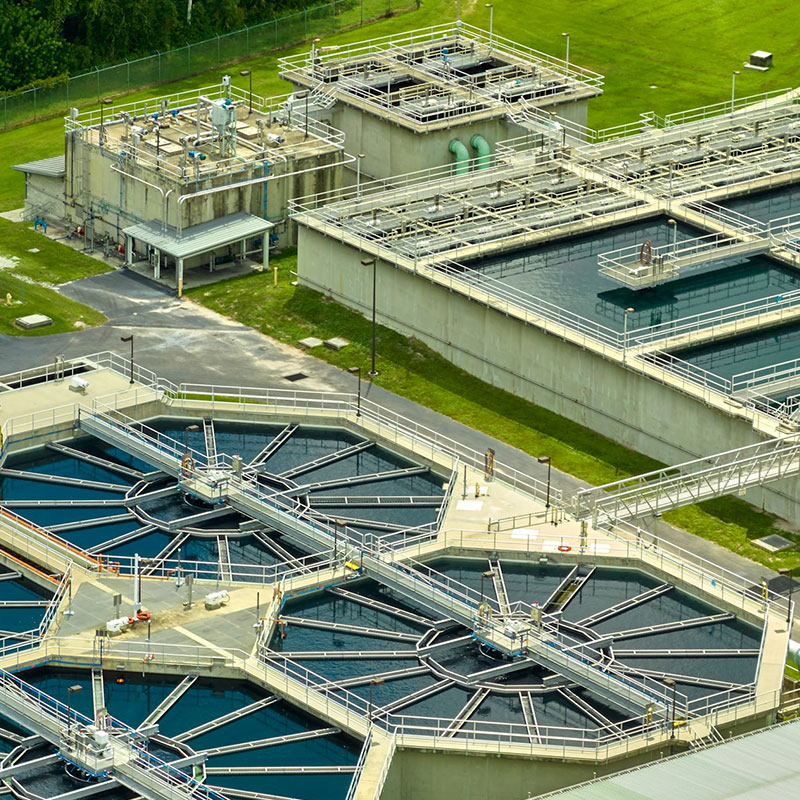
Senior advisory support was provided for the establishment of a national urban water utility as part of broader sector institutional reform. The engagement included drafting founding documentation, preparing the opening balance sheet, supporting the recruitment of senior leadership, and defining governance and accountability frameworks for the new institution.
The work strengthened operational capacity, improved financial transparency, and supported regulatory alignment within the urban water sector. These reforms enhanced institutional sustainability and contributed to improved delivery and management of urban water services.

Tax Administration Modernization
A comprehensive tax administration modernisation programme was implemented to strengthen institutional capacity and improve revenue management systems. The engagement included organisational restructuring, the introduction of risk-based management systems, improvements to audit selection processes, and the development of enhanced data and analytics capabilities within the national tax administration.
The reform strengthened compliance management and improved the accuracy of revenue forecasting while reinforcing governance and operational efficiency within the tax authority. Capacity-building and systems integration measures supported long-term institutional sustainability and contributed to increased domestic revenue mobilisation and greater transparency in fiscal administration.

Supply Chain Sustainability and Regulatory Compliance
Assisted United Nations Industrial Development Organization (UNIDO) in simplifying complex international supply chain legislation affecting export-oriented industries in developing and industrialising economies. The work included mapping and analysing more than 30 key international regulatory frameworks, including the EU Green Deal, Net Zero Industry Act, and Modern Slavery legislation. The assignment contributed to the development of the “Supply Chain Legislation Navigator,” a digital platform translating ESG, sustainability, and ethical sourcing regulations into practical compliance guidance for governments, exporters, and private sector stakeholders.

Decentralized Renewable Energy for Climate Resilience – Africa
Analytical support was provided for a feasibility study examining the potential of decentralized renewable energy systems to strengthen climate resilience in African countries. The study assessed renewable energy options for expanding electricity access in climate-vulnerable regions.
The work examined how decentralized energy systems could support water sector reform, agricultural productivity, and community resilience.

Urban and Agricultural Climate Adaptation – China
Technical advisory support was provided for climate adaptation initiatives in urban and agricultural sectors across multiple regions in China. The engagement evaluated water irrigation efficiency and stormwater management systems under increasing climate risks.
Policy recommendations were developed on land-use planning and institutional reforms to strengthen resilience to drought and flooding at both provincial and national levels.
