
Let’s be prepared
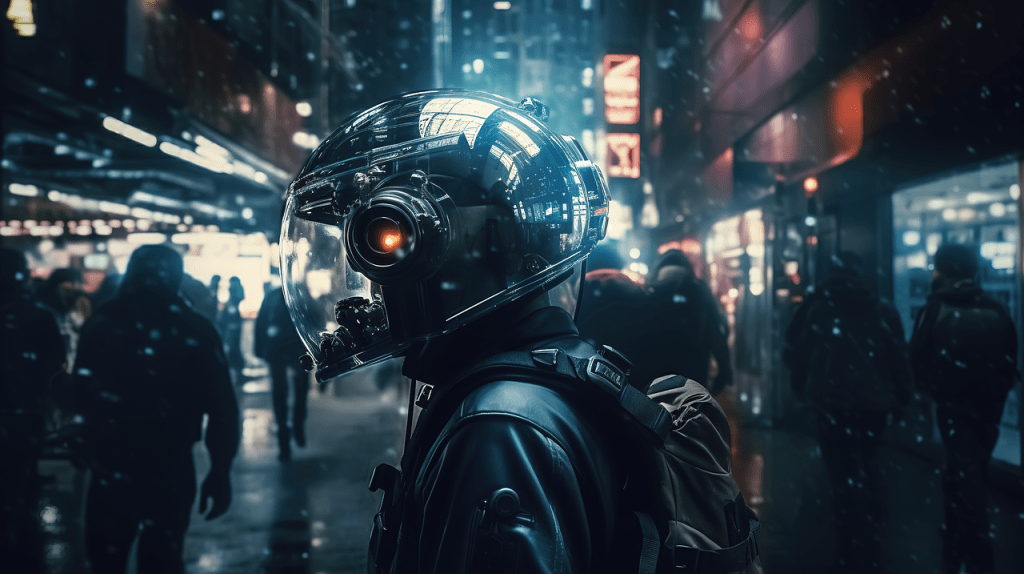
“In the face of disaster, Virtual Reality offers a safe space to prepare for the unthinkable, turning potential chaos into controlled learning.” In a world increasingly impacted by natural disasters and humanitarian crises, the need for effective and rapid response training has never been more crucial. Advances in Artificial Intelligence (AI) and Virtual Reality (VR) are transforming the way we approach disaster preparedness, offering innovative solutions that can significantly enhance the skills and readiness of individuals and organisations. Leveraging these cutting-edge technologies to create immersive training experiences can make a real difference in global humanitarian efforts. Virtual Reality offers a unique and powerful training tool that can immerse individuals in realistic, high-pressure environments without the associated risks. In VR, trainees can experience a range of disaster scenarios, from earthquakes and floods to conflict zones, allowing them to practise critical skills such as evacuation procedures, medical triage, and crisis communication. These immersive experiences help build muscle memory and enhance decision-making under stress, leading to more effective and confident responses in real-world situations. Many of us have likely found ourselves gazing out of a window during a training session, questioning the relevance of what we are learning. Traditional training methods can sometimes feel disconnected from real-life applications, leading to disengagement and a lack of tangible outcomes. However, VR training offers a dynamic and immersive alternative that transforms this experience. By creating realistic environments and scenarios, VR training allows participants to engage deeply with the material, embedding real-life situations into their thought processes. This approach not only makes the training more engaging but also helps in developing practical skills and insights that have a direct impact on performance in the real world. VR training bridges the gap between theoretical learning and real-world application, ensuring that the knowledge gained is both relevant and actionable. VR Training: Enhancing Efficiency, Transparency, and Effectiveness VR training is the game-changer for both public and private sector entities, boosting economic development, promoting sustainable practices, and strengthening institutions. What is the impact? Cost Efficiency: Reduced Training Costs & Scalability: VR training cuts out the need for physical travel and on-site training facilities, which means significant cost savings. Organizations hold virtual training sessions, slashing expenses on logistics, accommodation, and physical materials. VR training can easily scale to accommodate large groups without a big jump in costs. This makes it an ideal choice for large organizations and government entities aiming to train their workforce efficiently. Improved Workforce Skills: Realistic Simulations: VR offers immersive, realistic simulations that help trainees develop practical skills in a safe setting. This hands-on experience is particularly valuable in fields like healthcare, emergency response, and manufacturing, where practical skills are crucial. Accelerated Learning: Research shows that VR training can speed up the learning process, enabling employees to pick up new skills more quickly and effectively compared to traditional methods. Boosting Sustainable Development: Reduced Carbon Footprint: By minimising the need for travel and physical training materials, VR training contributes to lower greenhouse gas emissions. This aligns with global efforts to combat climate change and promotes sustainable practices within organisations. Virtual Environments: VR training uses digital environments that can be reused and modified, reducing the consumption of physical resources. This approach supports sustainable development by minimising waste and optimising resource utilisation. 4. Strengthening Institutions and Communities: Enhanced Transparency with Data-Driven Insights: VR training platforms can collect and analyse data on trainee performance, providing transparent insights into the effectiveness of training programs. This data-driven approach helps organisations identify areas for improvement and ensure accountability. Community Engagement and Inclusive Training: VR training can be designed to be inclusive and accessible, ensuring that individuals from diverse backgrounds and with varying abilities can participate. This inclusivity fosters community engagement and helps build more resilient and cohesive communities. 5. Achieving Equality and Fostering Innovation: Equitable Access: VR training democratises access to high-quality education and skills development, breaking down barriers related to geography, socioeconomic status, and physical ability. This equitable access helps reduce inequalities and promotes social inclusion. Cutting-Edge Technology: VR training leverages the latest advancements in technology to create innovative and engaging learning experiences. This fosters a culture of innovation within organisations and encourages the adoption of new technologies and practices. Effective Utilisation: VR training ensures that public funds are used efficiently by delivering high-impact training programs that improve workforce capabilities and institutional performance. This effective utilisation of public investment supports broader economic and social development goals. Combining AI and VR for Comprehensive Training Integrating AI and VR combines AI’s power with VR’s immersive capabilities. AI can analyse trainees’ performance in VR simulations, and provide real-time feedback. Beyond professional responders, AI and VR training can empower communities and organisations to better prepare for disasters. Community leaders, volunteers, and even schoolchildren can benefit from these technologies, learning essential skills such as first aid, cultural capability skills, evacuation procedures, and disaster risk reduction strategies. By democratising access to advanced training tools, we can build more resilient communities that are better equipped to handle crises. Supporting Sustainability Goals through AI and VR Training It’s crucial to highlight how these technologies also contribute to broader sustainability objectives. Specifically, AI and VR training can help meet several United Nations Sustainable Development Goals (SDGs), including: Goal 5: Gender Equality, Goal 9: Industry, Innovation, and Infrastructure, and Goal 10: Reduced Inequalities. SDG 5: Gender Equality AI and VR technologies can play a significant role in advancing gender equality through Diversity, Equity, and Inclusion (DEI) training. Virtual reality provides a safe and controlled environment where participants can engage in scenarios that challenge gender biases and promote inclusive behaviour. For example, VR simulations can place users in the shoes of individuals from diverse backgrounds, helping them understand and empathise with different perspectives. This immersive approach to DEI training leads to a deeper understanding of gender dynamics and encourages more equitable practices in the workplace and beyond. By offering scalable and accessible training solutions, AI and VR ensure that DEI initiatives can reach a wider audience, including those
