
One Truth: Humanitarian Action Must Evolve
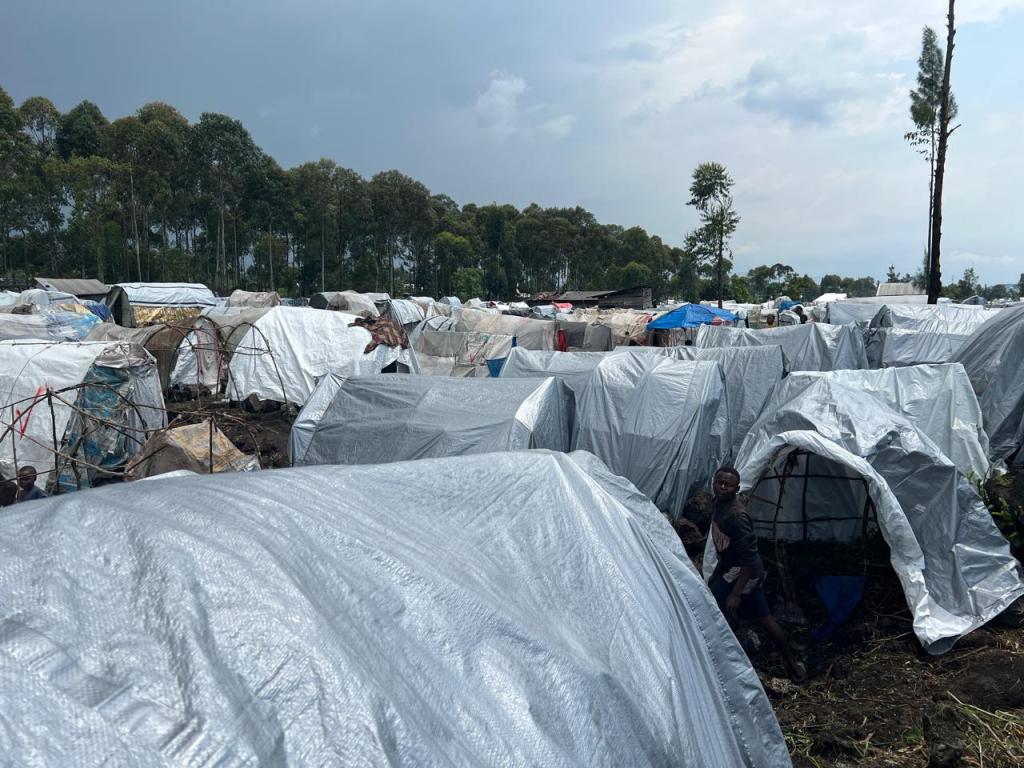
My last field assignment includes memories of our national team members—who form the backbone of humanitarian operations—struggle to keep pace with rising demands. They were stretched thin across multiple fronts: responding to growing beneficiary needs, drafting and revising reports and proposals, navigating complex compliance requirements, and managing safeguarding alerts. As a long-term humanitarian aid worker balancing programs, paperwork, and people, I’ve come to realize that our greatest bottleneck is no longer funding. It is the way we build and sustain human capacity within organizations, strengthen policy frameworks, and cultivate institutional agility—especially now, under the revised Core Humanitarian Standards (CHS 2024) and the accelerating pressures of emerging technologies. In fact, a critical shift is underway in the humanitarian sector: the primary constraint on our effectiveness is evolving from financial limitations to foundational capacity gaps. This was starkly evident in the field, where our national colleagues were increasingly overwhelmed—not due to lack of commitment, but due to systemic constraints that hinder their ability to respond effectively. This experience crystallized a vital insight: to meet our mandates in today’s complex humanitarian landscape, we must pivot our strategic focus. The urgent priorities are now threefold: Invest in human capability and expertise at all levels of the system. Strengthen policy and procedural frameworks to offer clear, actionable guidance. Foster institutional agility to adapt to evolving standards and technological change. This strategic realignment is not optional—it is essential. Only by addressing these capacity gaps can we uphold the heightened accountability embedded in CHS 2024 and harness the potential of emerging technologies to improve humanitarian outcomes. Why does this matter now? Earlier last year, the humanitarian sector, after global consultations with more than 4,000 contributors across 90+ countries, rolled out the Core Humanitarian Standards 2024, an updated version of the previous Standards. This revision simplifies language, strengthens commitments to local leadership, and refocuses on accountability to affected people[1]. Simultaneously, in the field, many of us are already using AI tools (for data summarization, translations, and other analysis), yet fewer than one in four organizations have formal AI policies or training in place[2]. This mismatch creates real risks: from privacy and bias to compliance gaps. Meanwhile, localization is still stuck between ambition and practice: local NGOs routinely face staff retention issues, limited core support, burdensome partner vetting, and local lack of power in decision‑making[3]. The same capacity gaps that hinder local partners also afflict many INGOs in newer contexts[4]. The Organizational Capacity Challenges in 2025 Human Capacity & Retention Short‑term project funding remains dominant among humanitarian interventions around the world. Local staff are often underpaid compared to international counterparts. When they gain experience, they are headhunted by larger agencies leaving the parent organizations vulnerable. This way institutional memory is lost forever. Staff burnout is high; field teams juggle response shocks, reporting spikes, and emotional stress with little protective infrastructure. Humanitarian aid workers are exposed to a range of stressors and traumatic events whilst providing aid in humanitarian emergencies, and this can result in the exacerbation of pre-existing mental ill-health and/or the development of new mental ill-health including psychological distress, burnout, anxiety, depression, and PSTD. According to Plus One, nine studies[5] were conducted including a total of 3619 participants. The report shows that psychological distress among humanitarian aid workers can affect up to 52.8%, burnout varies up to 32%, anxiety varies up to 38.5%, depression varies up to 39% and post traumatic stress disorder varies up to 25%. These types of mental illnesses are common among humanitarian aid workers, creating negative impacts on personal wellbeing and heavily reducing the efficiency of the humanitarian aid organizations. Conversely, a contrasting view persists, often from headquarters or leadership, that this intense pressure is an inherent part of the job while asking, “Isn’t this what they signed up for, and should we really expect anything less?.” Skills for New Realities The humanitarian sector has entered a new age of data and AI, but our institutions’ skills are still catching up. For a long time, humanitarian organizations thought that managing programs and following donor rules were the most important skills for professionals. Those are still important, but the unique environment needs a wider, more flexible skill set. Teams today need to know not only how to help respond quickly, but also how to handle data in a responsible manner, use AI tools in an ethicalway, and use mutual-learning systems that connect evidence and community feedback. The capacity gaps are becoming more obvious in everyday work. For example when program officers use ChatGPT for reports or MEAL dashboards, finance teams automate data entry, or local partners use WhatsApp groups to get feedback, often without any rules from the organization about data privacy, algorithmic bias, or consent. Only about 22%[6] of organizations have AI policies in place, while 70% of staff report daily or weekly AI usage. The sector risks a “tech wildcard” where staff adopt tools ad hoc, but without guardrails. Policy & framework gaps Think of the new humanitarian standards as a massive, long-overdue “organizational decluttering”. Right now, our internal systems are like a junk drawer stuffed with separate, overlapping policies for feedback, safety, and monitoring. It’s confusing for our staff and frustrating for the communities we serve, who just want a simple, safe way to be heard. The new rules are essentially telling us it’s time to merge all these scattered procedures into a one coherent, and user-friendly system which can be owned by everyone. Imagine the ease if we replace a dozen different, complicated remote controls with a single, universal one. For a household in a crisis, this means a straightforward, single door to knock on with their concerns or suggestions. For our frontline teams, it means far less time to spend juggling different policies and filing reports, and more time helping program participants. The ultimate payoff of this approach is that we will become more efficient, transparent, and trustworthy organization, which is better for everyone we serve and everyone who supports our work. What we propose: a 90‑Day Field‑Driven Playbook
