
Water, Adaptation & Climate Projects
Lorem ipsum dolor sit amet, consectetur adipiscing elit.
Proin accumsan tellus sed placerat porta. Nunc viverra a elit quis iaculis. Sed mauris libero, convallis vel purus id, tempus hendrerit diam.
Ut sed ipsum eu velit hendrerit sollicitudin. Vestibulum ante ipsum primis in faucibus orci luctus et ultrices posuere cubilia curae; Donec non sapien sagittis, pretium mauris sit amet, posuere ante. Morbi quis lacus ante.

Procurement Reform Projects Delivered Across the Globe
Public Procurement Reforms
Support to national procurement strategies including legal and institutional frameworks.
e-GP Implementations
Setup of e-GP systems, capacity development, and change management.
Value for Money Assurance
Reviews of procurement systems, spending efficiency, and sustainability assurance.
Capacity Building Initiatives
Training, institutional development, and capacity assessments for procurement staff.
Optimization Roadmap & Implementation Plan
Strategic Path to Value – Build actionable short- and long-term plans focused on sustainability and value-for-money.
Capacity Building & Training
Past Projects

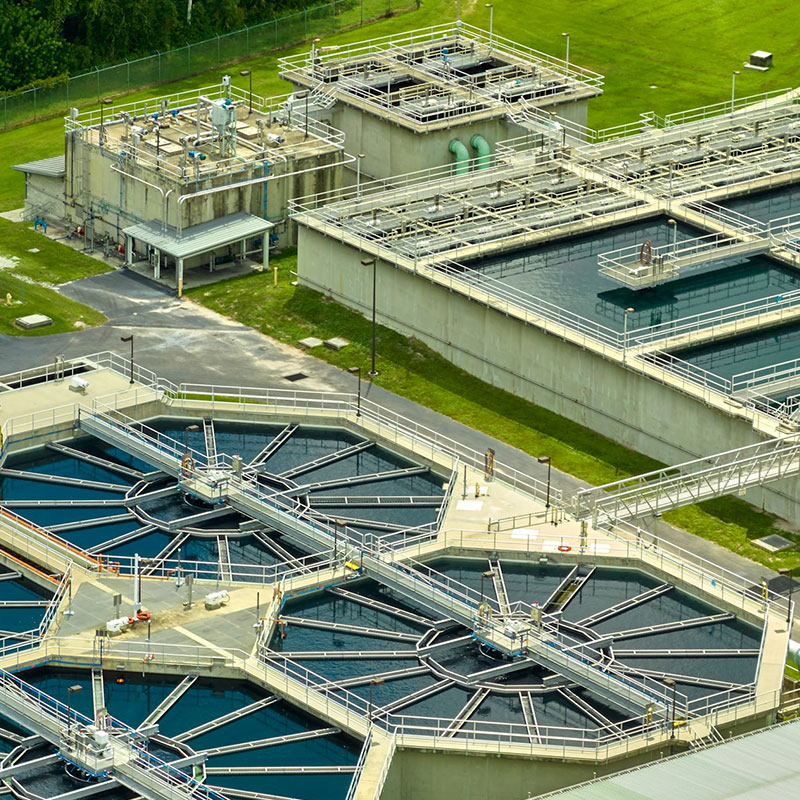
Sanitation Service Expansion and Reform
GBPG Expert supported implementation of a large-scale rural sanitation reform programme introducing performance-based contracting, institutional strengthening, and regulatory compliance mechanisms. The assignment enhanced procurement transparency, operational efficiency, and accountability within decentralized utilities. The programme significantly expanded access to improved sanitation services while reinforcing long-term service sustainability and institutional capacity. The work contributed to improved public health outcomes, stronger governance frameworks, and more effective delivery of essential infrastructure services.
Urban Water Utility Establishment
Senior advisory support was provided for the establishment of a national urban water utility as part of broader sector institutional reform. The engagement included drafting founding documentation, preparing the opening balance sheet, supporting the recruitment of senior leadership, and defining governance and accountability frameworks for the new institution. The work strengthened operational capacity, improved financial transparency, and supported regulatory alignment within the urban water sector. These reforms enhanced institutional sustainability and contributed to improved delivery and management of urban water services.

Decentralized Renewable Energy for Climate Resilience – Africa
Analytical support was provided for a feasibility study examining the potential of decentralized renewable energy systems to strengthen climate resilience in African countries. The study assessed renewable energy options for expanding electricity access in climate-vulnerable regions. The work examined how decentralized energy systems could support water sector reform, agricultural productivity, and community resilience.

Urban and Agricultural Climate Adaptation – China
Technical advisory support was provided for climate adaptation initiatives in urban and agricultural sectors across multiple regions in China. The engagement evaluated water irrigation efficiency and stormwater management systems under increasing climate risks. Policy recommendations were developed on land-use planning and institutional reforms to strengthen resilience to drought and flooding at both provincial and national levels.

Energy Transition and Climate Adaptation Capacity Building – Asia-Pacific Economies
Advisory and training support were provided for a regional programme assisting economies in advancing energy transition and climate adaptation policies. The work included reviewing national adaptation policies and identifying best practices from advanced economies. Capacity-building workshops promoted energy efficiency initiatives linked to national climate resilience strategies and institutional climate planning frameworks.

Climate Policy Transparency and Capacity Building Programme
Technical and training support was provided for an international climate policy transparency and capacity-building programme. The engagement contributed to training government officials from developing countries across Africa and Asia on climate adaptation, mitigation, and transparency frameworks. The programme strengthened institutional understanding of climate policy implementation and emphasized the role of public–private partnerships in advancing national climate initiatives.

Citizen Science for Climate Adaptation and Environmental Monitoring
Research and analytical support were provided for the assessment of citizen science applications in environmental monitoring and climate adaptation. The work reviewed global case studies examining how citizen participation can strengthen ecosystem monitoring and climate resilience initiatives. A resilience framework integrating citizen participation into climate adaptation and environmental governance systems was developed to support community-based monitoring approaches.

Green Infrastructure and Urban Climate Adaptation – United States
Policy analysis and advisory support were provided for the assessment of green infrastructure potential for climate adaptation in flood-prone regions of Virginia. The engagement included a state-level review of green infrastructure policy frameworks and evaluation of community-level adaptation strategies. The work developed recommendations to strengthen coordination across policy instruments and improve stormwater management and urban climate resilience planning.

Climate Migration and Resilience Policy Development – Philippines
Analytical support was provided for the development of resilience enhancement programmes addressing climate-induced displacement in the Philippines. The engagement included spatial analysis of vulnerability among internally displaced populations affected by climate impacts. The work reviewed national climate action programmes addressing climate migration and produced policy recommendations to strengthen disaster management systems and relocation strategies for climate-affected communities.

Climate Action Programme for Vulnerable Communities – East and Southern Africa
Monitoring and evaluation support was provided for a regional climate resilience initiative in Comoros and Zimbabwe. The engagement involved field assessments, document reviews, and technical advisory support to evaluate programme performance and refine monitoring indicators. The work supported the development of climate-smart social protection systems and child-sensitive early warning mechanisms while strengthening alignment with national climate adaptation frameworks.

Climate Action Programme for Vulnerable Communities – East Asia and Pacific
Monitoring and evaluation support was provided for a regional climate resilience programme across Papua New Guinea, Solomon Islands, and Timor-Leste. The engagement included field surveys, document reviews, and technical advisory support to assess programme outputs and refine performance indicators. The work contributed to climate policy implementation through guidance on national adaptation planning and climate strategies. Activities focused on climate-resilient water irrigation systems, green schools and community gardens, early warning systems, and climate-resilient shelters for vulnerable populations.

Climate Resilience and Food Security Programme – Horn of Africa
Monitoring and evaluation support was provided for a regional climate resilience and food security programme implemented across South Sudan, Kenya, and Somalia. The engagement applied the Outcome Harvesting analytical method together with the Humanitarian–Development–Peace Nexus framework to assess programme outcomes in fragile and conflict-affected settings. The work strengthened evidence-based programme management and supported adaptive learning across climate resilience, food security, and livelihood recovery initiatives aimed at improving long-term resilience in vulnerable communities.

Climate Finance and Energy Transition Project Pipeline Development
Advisory support was provided for the development of a large-scale pipeline of emissions reduction and energy transition initiatives across multiple regions. The portfolio included projects related to renewable energy deployment, fleet electrification, and industrial emissions reduction designed to align with blended finance instruments and international carbon market mechanisms. The engagement involved directing feasibility assessments, aligning project concepts with national climate strategies and regulatory frameworks, and ensuring consistency with international climate finance and carbon market integrity standards. Standardized due diligence methodologies and project documentation frameworks were developed to strengthen investor confidence and improve submission readiness for multilateral and climate finance institutions.

Nature-Based Carbon Removal and Forest Restoration Initiatives
Advisory support was provided for the design and structuring of long-term nature-based carbon removal initiatives focused on large-scale restoration of native forest ecosystems and strengthening access to voluntary carbon markets. The work involved integrating land tenure systems, national climate policy frameworks, and international carbon market integrity standards into structured implementation and financing strategies. Long-term carbon accounting and financial models were developed to forecast credit generation, community revenue streams, and ecological outcomes. Governance frameworks were also established to support equitable benefit-sharing arrangements and long-term environmental stewardship. Monitoring, evaluation, and applied research systems were introduced to strengthen institutional accountability and program performance.

Water Sector Institutional Reform
Advisory support was provided for the restructuring of rural water supply systems and the transition toward sustainable, network-based service delivery models. The engagement clarified institutional roles, developed financial mechanisms to ensure long-term sector viability, and restructured utility and subsidy frameworks. Governance reforms strengthened accountability and operational sustainability while supporting the expansion of modern water distribution networks. The work laid the foundation for a regionalized utility model and reinforced long-term institutional resilience within the water sector.
