


Fresh, safe, and renewable water resources are in demand everywhere. Water scarcity is threatening peace in developed and undeveloped regions of the world, surpassing energy as the number one political issue in many regions. Economic growth is difficult to nearly impossible without a secure and sustainable water supply nearby. Agriculture is by far the largest user of freshwater worldwide, and inefficient agricultural practices are also the most common contribution to pollution. As concerns about water quality rise around the globe, involving youth and everyday citizens in managing this precious resource has never been more important. Grassroots participation doesn’t just supplement official efforts—it transforms them, bringing new energy, innovation, and accountability to the cause.
Fresh Perspectives and Innovative Solutions
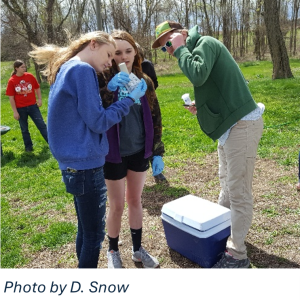
Youth and citizen involvement introduces fresh viewpoints that can spark creative solutions to persistent water quality challenges. Young people, in particular, are adept at leveraging technology and social media to spread awareness, mobilize action, and develop new tools for data collection and analysis. Their energy and creativity often lead to out-of-the-box strategies that established organizations might overlook. For example, our youth-led participatory science program at the University of Nebraska demonstrates how high school teachers and their students can be trained to properly sample and test private wells surrounding their communities, while providing well owners with university laboratory test results they can compare to USEPA safe drinking water standards (Olson et al., 2024). Students and teachers serve as experts in the community, helping producers and citizens understand the main issues with respect to local drinking water quality.
 Building Community Ownership and Accountability
When citizens take an active role in monitoring and protecting water sources, they develop a deeper sense of ownership over local resources. Involving local youth in this process provides incentives for adults to take action and community leaders to listen. This shared responsibility fosters a culture of stewardship, making it more likely that communities will support and sustain long-term water and land use decisions. Public involvement increases transparency, as local observers can hold authorities and industries accountable for their impact to local water resources. Nonpoint source pollution from agriculture, in particular, is difficult to control and manage. It is also difficult to see how implemented solutions affect local water quality as the solutions require long term education and monitoring to show progress.
Education and Skills Development
Engaging youth in water management programs provides invaluable learning opportunities, potentially encouraging a career connected to water, environmental science, or human health. Participants gain hands-on experience in scientific methods, hydrogeology, environmental policy, and community organizing—skills that serve them well beyond the realm of water quality. Because agriculture is both dependent on freshwater and affects local water supplies, it is most critical that those considering agriculture as a career be informed about its effects. Such programs not only cultivate informed citizens but also inspire future environmental leaders.
Strengthening Social Connections
Collaborative water quality projects bring people together. Whether it’s organizing river clean-ups, conducting well water sampling and testing, or hosting educational workshops, these activities build stronger bonds within communities. The benefits of engaging citizen groups in collecting and sharing results of their measurements is widely known for research in ecological monitoring and detecting surface water pollution but has only recently been applied to groundwater. Involving residents in understanding and managing a resource creates a sense of unity and mutual support that extends to other local challenges.
Driving Policy Change from the Ground Up
Widespread citizen involvement can influence local and even national policies. When community voices are organized and vocal, policymakers are more likely to prioritize water quality and allocate resources to address pressing issues. Youth advocacy, in particular, has proven powerful in prompting action and enacting legislative change. Involving youth and citizens in managing water quality isn’t just beneficial—it’s essential. Their participation brings innovation, accountability, and resilience to efforts that protect our water for generations to come. By involving and empowering communities, we ensure that clean, safe sustainable water is possible now and into the future.
Sources:
Olson, C. A., Malakar, A., D’Alessio, M., Schumacher, N., Ray, C., & Snow, D. D. (2024). Evaluating Youth-Led Citizen Science for Improved Monitoring of Domestic Well Water Quality in Nebraska. ACS ES&T Water. https://doi.org/10.1021/acsestwater.3c00640
Disclaimer: Statements expressed in this blog reflect the personal opinion of the author and do not represent the position or policy of GBPG or entities we are affiliated with. While we strive to ensure the accuracy of the information presented, we make no guarantees regarding its completeness, reliability, or accuracy.
